
The city of Pune, often lauded for its development and cultural vibrancy, is silently witnessing a tragic saga—the systematic cleansing of its street dogs. This article explores how the closure of garbage dumps, unchecked relocation, harassment of animal welfare volunteers, lack of medical care, and immunity for perpetrators of cruelty are contributing to this unsettling phenomenon.
Ironically, this neglect persists despite constitutional obligations under Article 51A(g), which mandates compassion towards living creatures as a fundamental duty of every Indian citizen.
Removed the Garbage Dumps but Forgot They Were a Source of Food.
The closure of garbage dumps in Pune, hailed as a move towards cleaner urban spaces, has inadvertently disrupted an entire ecosystem. These dumps were more than just unhygienic eyesores; they were lifelines for the city’s most vulnerable—beggars, scavengers, and stray animals. With this food source suddenly eliminated, animals, particularly street dogs, are left to starve. Solved one problem just to create several more or where the repercussions just not important enough to consider.
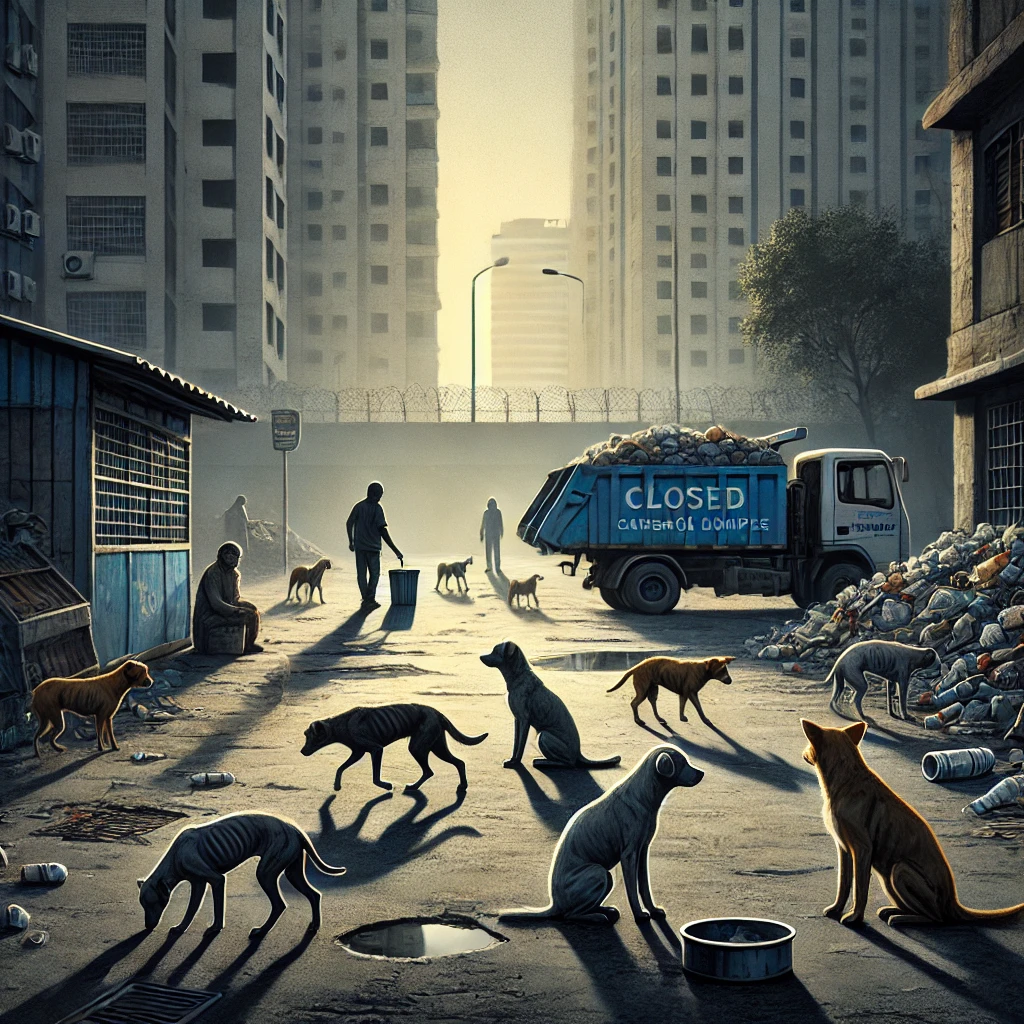
This disruption is a key contributor to the silent extermination of street dogs. Moreover, with sources of food disrupted, the limited number of volunteers and funding available cannot support feeding the entire stray population. As a result, starving dogs stray into housing societies and other human-dominated spaces in search of food, where they often face abuse and hostility—another cruel repercussion of their hunger.
While the city celebrates its clean streets, it turns a blind eye to the silent suffering of its voiceless residents. Do we intentionally want to starve the street dogs to death ?
The Grim Reality of Street Dog Relocation
Relocation of stray dogs is rampant in Pune, often carried out with impunity. While officially prohibited under India’s Animal Birth Control (ABC) rules, the practice continues unchecked. Relocation often means starvation or death for these animals, especially for elder dogs or young pups. Stripped from their familiar territories, they fail to find new food sources and face hostility from resident dog packs.
Unchecked relocation practices are accelerating the silent extermination of street dogs. Entire packs of street dogs vanish overnight, leaving volunteers and animal lovers anguished. The silence from authorities on this issue is deafening.
What should be a cause for concern and collective action is met with indifference, as if these disappearances are a problem solved rather than a tragedy unfolding.

The Harassment of Animal Welfare Volunteers
Animal Welfare Volunteers play a crucial role in maintaining a semblance of balance in the lives of street dogs. By providing controlled feeding, they prevent the animals from scavenging and potentially causing conflicts. Yet, these feeders are frequently subjected to harassment and abuse. Verbal threats, social ostracism, and even physical attacks are common, discouraging many from continuing their noble efforts.
Tragically, the very people who are trying to help feed the hungry, fulfilling their obligation to the constitution, assisting the authorities and society at large, and following the laws of the land, are the ones being harassed. Despite legal protections for animal feeders, the lack of enforcement leaves them vulnerable. The absence of formal steps to safeguard these individuals reflects a broader societal apathy towards the welfare of street animals.
Another silence of convenience?
The Dire State of Medical Care for Street Animals
The number of street dogs in Pune far outpaces the availability of medical facilities for them. The exisiting facilities are fighting a very brave battle under incredible odds. Injuries from road accidents, untreated diseases, and lack of sterilization lead to immense suffering. Volunteers, often out of pocket and overburdened, struggle to fill the gap. Government-aided facilities are virtually non-existent, leaving these animals to die slow, painful deaths. Private clinics are not affordable either.
The prevailing attitude seems to be one of willful neglect—an unspoken belief that allowing these animals to die will naturally reduce their population. This indifference not only exacerbates the problem but also paints a grim picture of the city’s priorities.
The Negligence in Sterilization Practices
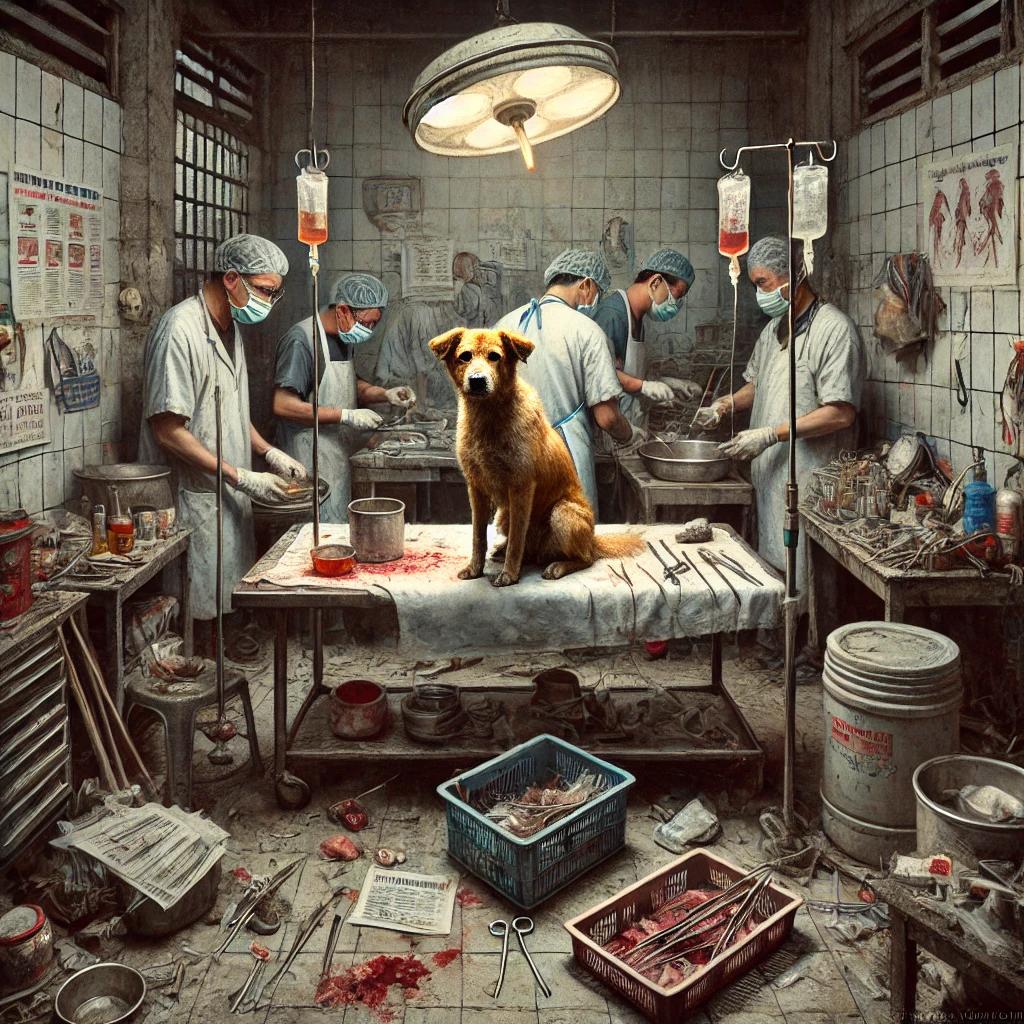
Sterilization is the only humane and effective way to control the stray dog population. With the ever increasing population of street dogs there has been an exponential need for centers providing sterilization services. This unfortunately has given rise to many unauthorised and unapproved fly by night operators offering ‘”Paid” sterilization. However, these clinics operate without qualified surgeons, proper facilities, or adequate approval or regulation, leading to increased deaths caused by criminal negligence. Not to forget ABC rules are being flouted when dogs picked up for sterilization are not returned to original domicile leading to relocation of convenience. So many street dogs do not return after being picked up for a sterilization much to the anguish of its caretakers.
Unwilling Subjects in Surgical Training
In many instances, street dogs are being used as guinea pigs for surgical training, often subjected to invasive procedures without proper anesthesia, pain relief, or consideration for their well-being. This practice raises serious ethical concerns, as these animals are forced into harmful situations for the benefit of human professionals. The lack of outrage over this issue is deeply troubling, as society tends to overlook the suffering of street dogs, viewing them as disposable or insignificant. The absence of widespread outrage may be attributed to the normalization of such practices, combined with a lack of public awareness and advocacy for the humane treatment of street dogs.
The Culture of Impunity
Animal cruelty laws exist in India, but their enforcement is woefully inadequate. Cases of poisoning, beating, and even mass killings of street dogs rarely see any legal consequences. This culture of impunity emboldens perpetrators and perpetuates a cycle of violence.
“Let them die; it’s one way to reduce their numbers,” is an attitude that seems to permeate through society. Such apathy towards cruelty highlights a moral and ethical failing that undermines the city’s claim to progress.

The Media’s Role in Perpetuating Fear
The reporting of stray dog-related issues in the media often exhibits a terrible bias, contributing to a negative campaign that fosters fear and hysteria among the public. This orchestrated narrative leads uninformed individuals to support and participate in practices aimed at the extermination of stray animals. While incidents of dog bites and maulings do very unfortunately occur, they are not representative of the entire stray dog population. Just as one “bad apple” in a pack does not define all dogs, humanity is not condemned despite the existence of murderers among us.
A Call for Compassion
This silent and systematic cleansing of street dogs in Pune is not just an animal welfare issue; it’s a humanitarian crisis. It reflects a society that prioritizes aesthetics and convenience over empathy and coexistence.
To address this issue, the city needs a multifaceted approach:
- Strengthening Enforcement of Animal Welfare Laws: Authorities must act against illegal relocation and cruelty, ensuring that laws are not mere words on paper.
- Support for Animal Feeders: Legal protections for feeders must be implemented, and they should be recognized as essential contributors to community welfare.
- Improved Medical Infrastructure: Establish government-supported medical facilities and sterilization programs to humanely control the stray population.
- Public Awareness Campaigns: Educate citizens about the importance of coexistence and the legal implications of animal cruelty.
- Emergence of Law Firms: Teams of Lawyers well funded and available to handle cases of animal cruelty ensuring that punishment is meted out to the maximum extent of the law.
Pune must strive to be a city that balances development with compassion. The plight of street dogs is a litmus test for our humanity. It’s time to choose coexistence over cruelty and to ensure that no living being is left to suffer in the shadows of progress.
| Let us not forget it is us, humans, who created the problem, lets not shift the blame to the street dogs and make them face the consequences for our mistakes. |